Understanding the Differences Between SOC 2 Type 1, 2, and 3 Reports
Understanding the differences between SOC 2 Type 1, Type 2, and Type 3 reports is crucial for businesses aiming to demonstrate their commitment to data security. While Type 1 focuses on control design, Type 2 examines operational effectiveness over time, and Type 3 offers a public summary. Choose the right report to ensure trust and transparency with your clients and partners.
INFOSEC LAUNCHPADBLOG
7/4/20253 min read
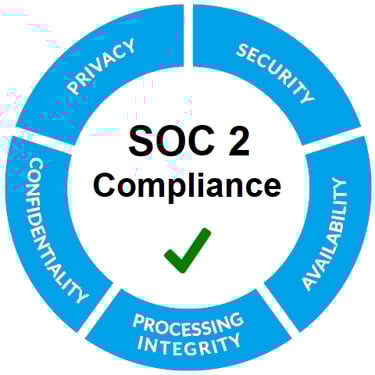
In today’s business landscape, trust and transparency are critical to maintaining strong relationships with clients and partners. One of the ways organizations can provide assurance around their internal controls, especially related to data security, privacy, and processing, is by undergoing SOC (System and Organization Controls) audits.
SOC 2 reports are issued by Certified Public Accountants (CPAs) to assess the effectiveness of a service organization’s internal controls over systems and data. These reports are divided into three types — SOC 2 Type 1, SOC 2 Type 2, and SOC 2 Type 3. Each serves a distinct purpose and addresses different needs, making it essential for businesses to understand the differences to determine which report aligns with their goals.
Let’s dive into the key distinctions between SOC Type 1, SOC Type 2, and SOC Type 3 reports:
1. SOC 2 Type 1: The “Point in Time” Snapshot
What is it?
A SOC 2 Type 1 report focuses on the design of a service organization’s controls at a specific point in time. It provides an audit of how a company's systems and processes are set up to manage and protect sensitive data.
Key Features:
Scope: Covers the design and implementation of controls at a specific point in time (e.g., a single date or period).
Audit Focus: Evaluates whether the system and controls are designed appropriately to meet the necessary standards.
Use Case: Ideal for organizations that want to provide clients with an assurance that their controls are properly designed at a specific point, but may not yet have evidence of their ongoing effectiveness.
Example: If a SaaS company is offering a new service, they may undergo a SOC Type 1 audit to prove that their security controls are designed correctly before clients start using the service.
2. SOC 2 Type 2: The “Ongoing Effectiveness” Audit
What is it?
A SOC 2 Type 2 report is more comprehensive than Type 1 and evaluates the operating effectiveness of a service organization’s controls over a defined period of time, typically ranging from six months to a year.
Key Features:
Scope: Covers both the design and the effectiveness of controls over time.
Audit Focus: Assesses whether the implemented controls are operating effectively in practice and whether they consistently meet the organization’s objectives.
Use Case: This report is ideal for organizations that want to demonstrate that their security, availability, processing integrity, confidentiality, and privacy controls work continuously and as intended over a period of time.
Example: A cloud provider that stores client data may undergo a SOC Type 2 audit to show that their controls (such as encryption, access controls, and backup systems) are not only designed correctly but also function effectively over the course of a year.
3. SOC 2 Type 3: The “General Assurance” Report
What is it?
A SOC 2 Type 3 report is similar to Type 2 in that it also covers both design and operational effectiveness of controls. However, the key difference is that SOC 2 Type 3 reports are publicly available, offering a more accessible version of the findings.
Key Features:
Scope: Like SOC Type 2, it evaluates both the design and effectiveness of controls over a period of time.
Audit Focus: Similar to Type 2, but with a focus on general assurance rather than providing detailed findings. The report is designed for public consumption and is typically used for marketing purposes to show clients that the organization is secure and trustworthy.
Use Case: SOC Type 3 reports are useful for organizations that want to show prospective clients and the public that they have passed rigorous controls testing, but without exposing sensitive internal details.
Example: A company providing outsourced services such as hosting or data processing may release a SOC Type 3 report to potential customers to demonstrate that their controls are effective, without requiring the client to review the full, detailed audit report.
When Should You Use Each SOC Report?
SOC Type 1: Choose this report if you are in the early stages of a service or product launch, or if you want to provide assurance about the design of your controls at a specific point in time.
SOC Type 2: Opt for this report if you need to demonstrate ongoing compliance and show clients that your controls are working effectively over time.
SOC Type 3: This report is ideal for businesses that want to show potential clients or the public that they have passed a SOC audit, but don’t want to share the detailed findings.
Conclusion: Which SOC Report is Right for Your Organization?
Understanding the differences between SOC Type 1, SOC Type 2, and SOC Type 3 is crucial for choosing the right level of assurance to provide to your stakeholders. Each report type serves a different purpose and is suited to different stages of business maturity, from initial design assessments to ongoing assurance and public transparency.
SOC Type 1 offers an initial check on control design, SOC Type 2 dives deeper into operational effectiveness over time, and SOC Type 3 provides general assurance for public consumption. Depending on your business needs, you can select the appropriate report to enhance client trust and demonstrate your commitment to strong security practices.
Are you considering a SOC audit for your organization? Let us help you choose the right report and get started on your journey toward security assurance. Contact Us.
COMPANY OVERVIEW
TCLX offers continuous risk assessments, protection, and monitoring tailored to your needs—along with professional website design and development services.
CONTACT
© 2025. All rights reserved.
Resources