NIST and CIS - Similarities and Differences
Understanding NIST and CIS: NIST and CIS offer valuable cybersecurity frameworks to help organizations improve their security posture, with NIST providing broad, adaptable guidelines and CIS offering specific, actionable controls.
INFOSEC LAUNCHPADBLOG
7/4/20253 min read
In today’s digital world, cybersecurity is more critical than ever. Organizations handling sensitive information must adhere to the highest standards to safeguard their data and protect against evolving threats. But with so many cybersecurity frameworks out there, it can be challenging to choose the right one for your business.
Two of the most well-regarded organizations in cybersecurity are NIST (National Institute of Standards and Technology) and CIS (Center for Internet Security). Both publish comprehensive guidelines designed to help organizations improve their cybersecurity posture, but understanding the differences and similarities between them is crucial when deciding which framework best aligns with your business needs.
What is NIST?
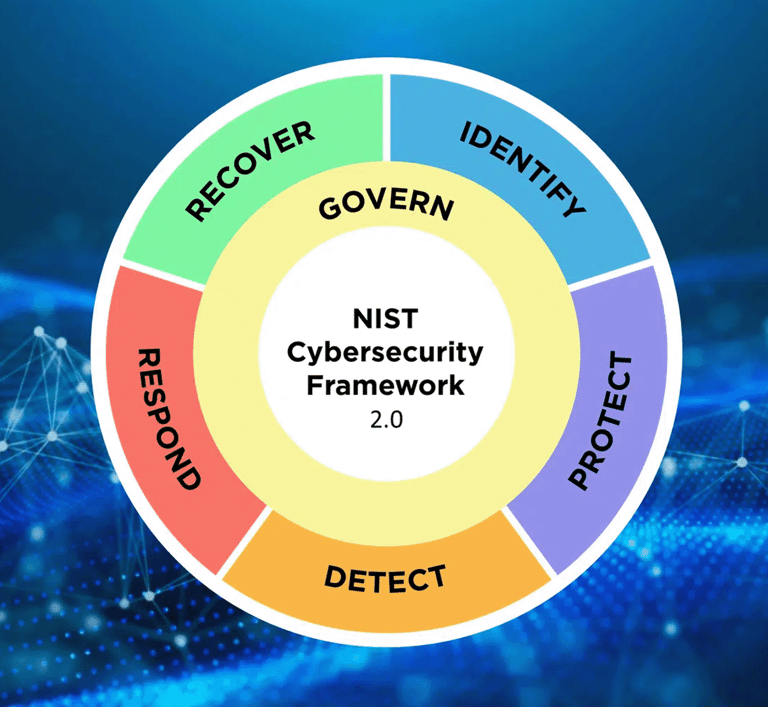
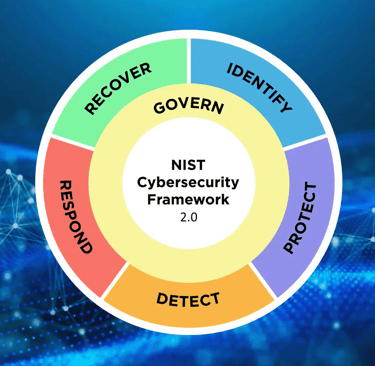
NIST, a non-regulatory agency of the U.S. Department of Commerce, has been at the forefront of setting technology standards. In the cybersecurity realm, NIST provides a variety of frameworks, with the NIST Cybersecurity Framework (NIST CSF) being one of the most well-known. This framework is a set of guidelines designed to help businesses manage and reduce cybersecurity risks. The framework is designed to be flexible, so organizations of all sizes can adopt it.
NIST’s cybersecurity guidelines are especially important for businesses that deal with Controlled Unclassified Information (CUI), as seen in publications like NIST 800-171, which is required for Department of Defense contractors.
What is CIS?
Founded in 2000, the Center for Internet Security (CIS) aims to help businesses improve their cybersecurity through community-driven initiatives. One of their most prominent offerings is the CIS Critical Security Controls (CSC), which consists of 20 key security controls designed to protect organizations from the most common cyber threats.
CIS guidelines are recognized for their simplicity and specific recommendations, making them an excellent resource for businesses looking for clear, actionable steps to improve their cybersecurity posture.
4 Key Differences and Similarities Between NIST and CIS
Though NIST and CIS share a common goal — improving cybersecurity standards — there are several key differences and similarities between their frameworks.
1. Neither NIST CSF Nor CIS CSC Guidelines Are Mandatory
While both NIST and CIS guidelines provide comprehensive cybersecurity frameworks, neither is mandatory for businesses. These frameworks serve as voluntary guidelines that organizations can adopt to strengthen their security practices. However, adopting them can significantly enhance an organization’s ability to protect sensitive data and avoid costly security breaches.
For instance, NIST 800-171 is specifically aimed at businesses pursuing contracts with the Department of Defense (DoD), making it a requirement for certain industries. However, beyond the DoD context, following NIST and CIS standards is not mandatory — though highly recommended.
2. CIS CSC Maps to Other Cybersecurity Standards
One of the key advantages of adopting the CIS Critical Security Controls is that the guidelines map directly to several other widely recognized cybersecurity standards, such as PCI DSS, GDPR, HIPAA, and ISO 27001. This cross-compatibility simplifies the compliance process, as organizations can meet multiple standards simultaneously by following CIS controls.
In comparison, while NIST CSF also aligns with various industry standards, CIS controls are more specific, providing a clear and direct path to compliance with various regulatory requirements.
3. Both NIST CSF and CIS CSC Offer Implementation Tiers
Both NIST and CIS categorize organizations based on their level of cybersecurity maturity.
NIST CSF uses a tier system ranging from Tier 1 (Partial) to Tier 4 (Adaptive), reflecting the organization’s ability to manage and respond to cybersecurity risks. Organizations at higher tiers have more mature security practices.
CIS CSC offers a similar model, where the first six controls represent basic cybersecurity hygiene. By meeting additional controls, organizations demonstrate an increased maturity in their cybersecurity posture.
4. NIST Provides Broader Guidelines
NIST’s Cybersecurity Framework (CSF) is known for being broad and adaptable to various industries, offering high-level principles that organizations can customize based on their needs. This flexibility makes it an ideal framework for large enterprises or organizations with complex operations.
In contrast, the CIS Critical Security Controls (CSC) is much more prescriptive and specific, providing 20 concrete actions organizations can take to improve their cybersecurity. CIS is a great option for businesses that need clear, step-by-step instructions to implement solid cybersecurity practices quickly.
COMPANY OVERVIEW
TCLX offers continuous risk assessments, protection, and monitoring tailored to your needs—along with professional website design and development services.
CONTACT
© 2025. All rights reserved.
Resources